
A-Z Rack Inspections Ltd
SEMA Approved Racking Inspectors – Expert Racking Inspections Nationwide from North Wales
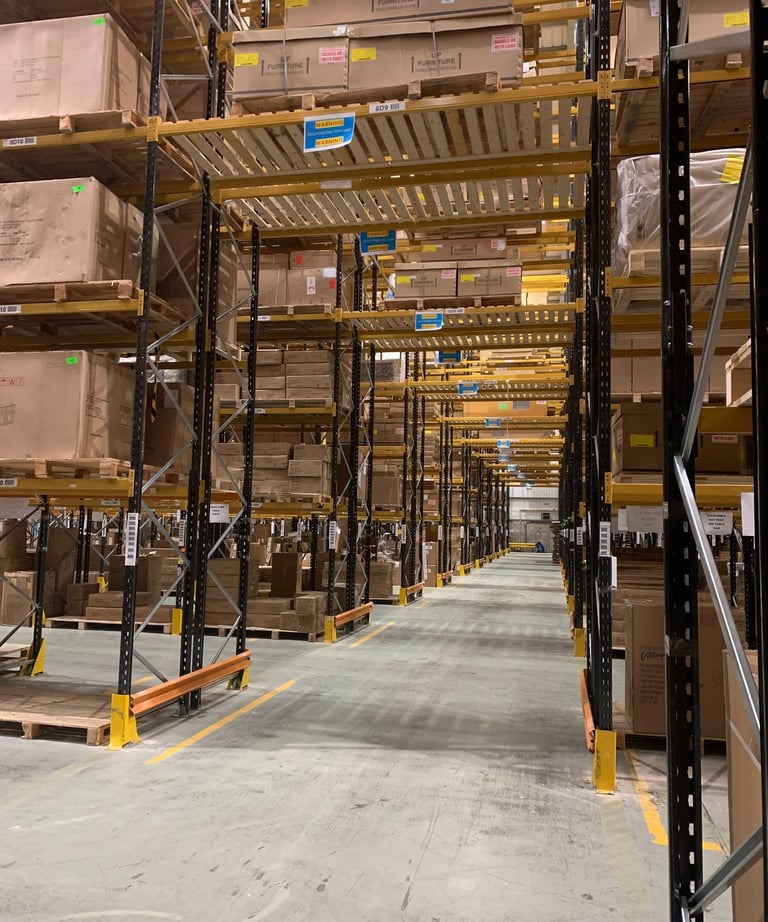
Based in North Wales – Expert Pallet & Cantilever Racking Inspections by SEMA Approved Racking Inspectors (SARIs) Across North Wales, Cheshire, Warrington, Liverpool, Manchester and the Entire UK.
Call 07917 664940 | 07947 886161 | Email: sales@a-zrackinspections.co.uk
Racking Inspections UK – SEMA Approved Inspectors You Can Trust
Family-run from Mold, Flintshire – Nationwide pallet & cantilever racking inspections, safety training & compliance reports
Protect your warehouse team, stock and business with expert racking inspections delivered by SEMA Approved Racking Inspectors (SARIs). Based right here in North Wales (Mold, Flintshire), A-Z Rack Inspections Ltd combines over 25 years of hands-on experience with full HSE, PUWER, SEMA and HSG76 compliance. We serve warehouses across Greater Manchester, Liverpool, Birmingham, Cardiff, Derby, Stoke-on-Trent, Telford, Northampton, the North West, Midlands, South Wales and the entire UK – ambient, chilled or freezer environments.


Our Services
Expert Racking Safety Services Across the UK
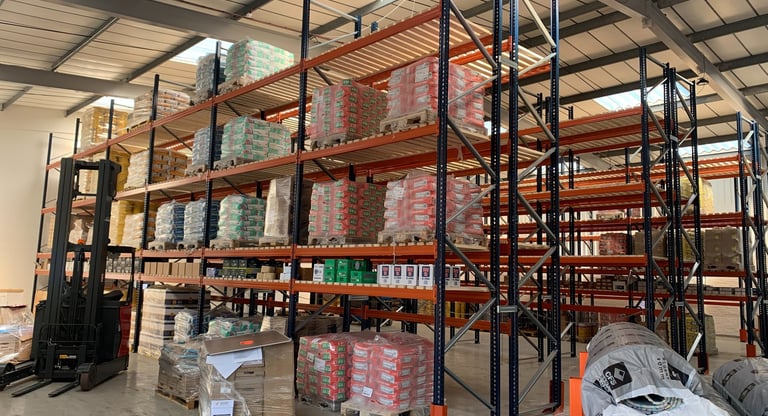
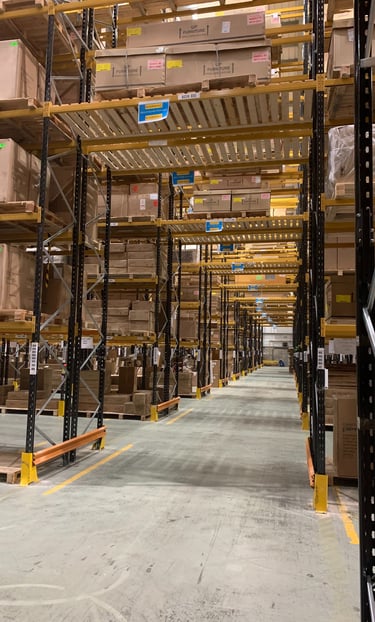
Annual Racking Inspections
Comprehensive structural checks for all adjustable pallet racking (APR) systems – uprights, beams, bracing, baseplates, safety clips and load notices. Delivered by SEMA Approved Racking Inspectors (SARIs) with detailed SEMA RAG reports and full HSE/PUWER/SEMA compliance certification.
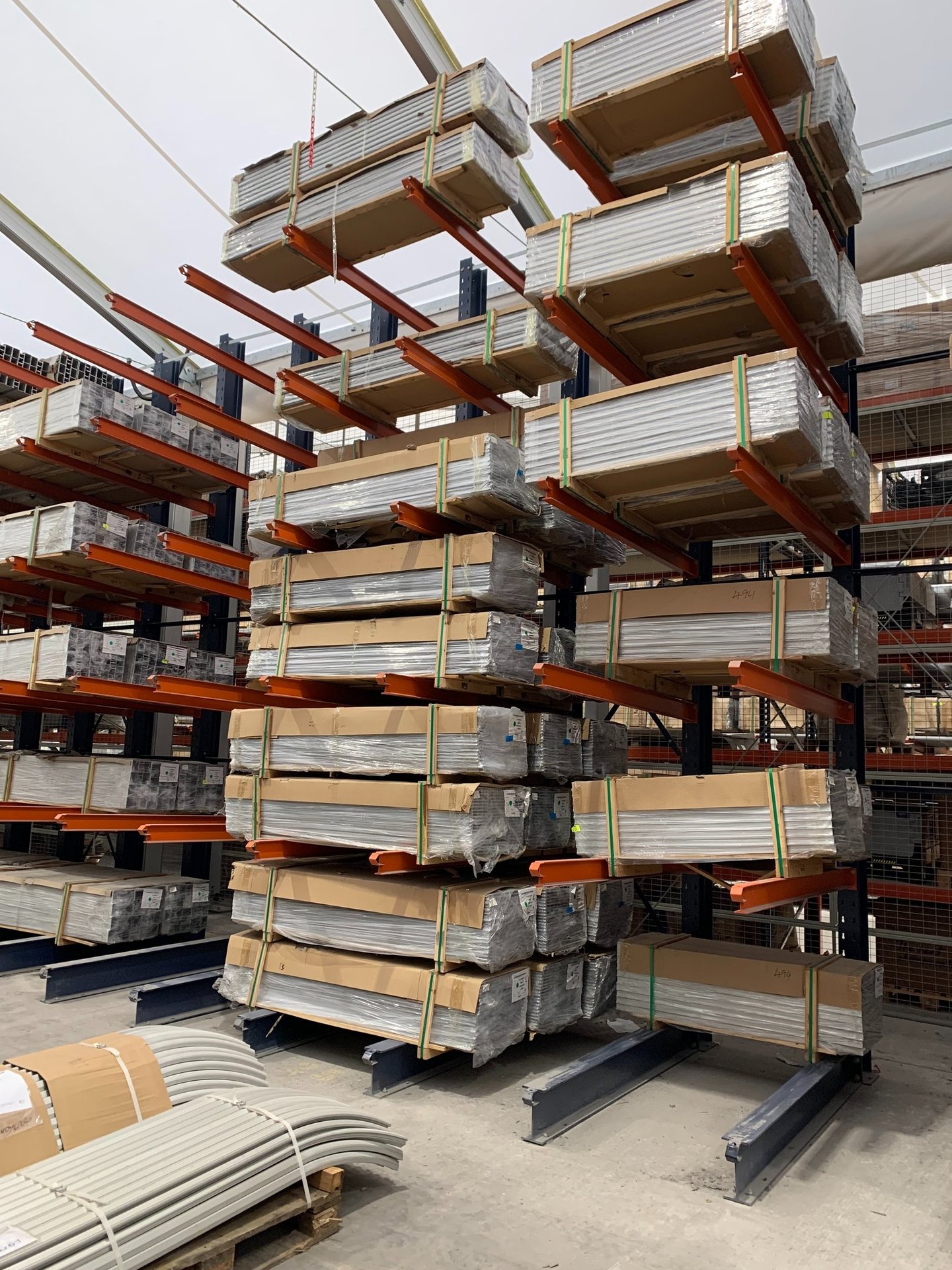
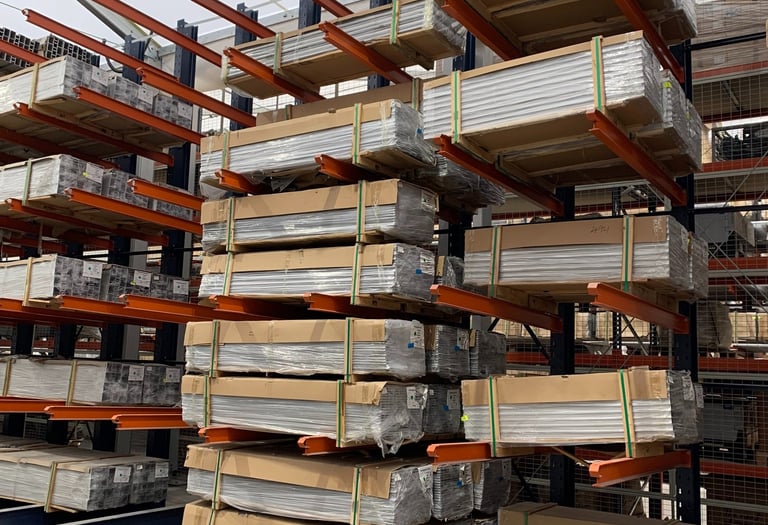
Annual Cantilever Racking Inspections
Specialist assessments for long-load cantilever systems – arms, columns, bracing, base fixings and welded connections. Focus on deflection, lean, weld integrity and load balance. SEMA RAG graded reports ensure compliance for timber, steel, pipe and sheet storage.
Racking Inspection Training Courses
Our one-day racking inspection training courses are delivered by our SEMA Approved Racking Inspectors (SARIs).
What You Will Learn:
How to carry out effective internal racking inspections in accordance with SEMA Guidelines and HSE Guidance (HSG76).
How to understand and fully perform the role of the PRRS (Person Responsible for Racking Safety).
Essential racking safety awareness for warehouse staff, forklift operators and healthy & Safety staff to help prevent damage and protect employees from accidents.
Upon successful completion, every delegate receives a certificate valid for 3 years.


Why Choose A-Z Rack Inspections
Why UK Businesses Choose Our SEMA Approved Racking Inspectors
✅Over 25 years of specialised warehouse safety experience
✅Fully certified SEMA Approved Racking Inspectors (SARIs)
✅Nationwide coverage from North Wales base – Deeside, Warrington, Liverpool - UK wide
✅Family-run, competitive pricing, no hidden fees
✅Fully compliant with SEMA, HSE & PUWER guidelines
✅Versatile for ambient/chilled/freezer warehouses
✅On-site racking safety training included options
✅Clear, actionable reports to support your compliance
Areas We Cover
Expert Racking Inspections Nationwide – From North Wales to Key UK Hubs
Our experienced team of SEMA Approved Rack Inspectors deliver racking inspections in the following areas:
Cheshire
Stoke-on-Trent
Telford
Northampton
Cardiff
And all surrounding towns, cities and industrial areas across the UK.
Book Your Racking Inspection Today
Fill the form or call for a free quote on racking inspections UK-wide by our SEMA Approved Inspectors.
Phone: 07917 664940 | 07947 886161 Email: sales@a-zrackinspections.co.uk
A-Z Rack Inspections Ltd:
Keepers Cottage, Groes Farm, Rhosesmor Road, Northop, Mold, Flintshire, CH7 6AG
Email: sales@a-zrackinspections.co.uk
Tel: 07917 66 4940
Tel: 07947 88 6161
Copyright © 2026 A-Z Rack Inspections Ltd
Registered Company number: 13065668 | VAT Registered: GB 367 4452 73